
 Italian
  English
  Spanish
  French
  German
  Portuguese
 È possibile sostituire una batteria UPS da 12 V 7 Ah con LiFePO4?
Sommario
- È possibile sostituire una batteria UPS da 12 V 7 Ah con LiFePO4?
- È possibile sostituire una batteria UPS da 12 V 7 Ah con LiFePO4?
- Batteria al piombo e LiFePO4 nei sistemi UPS
- Cosa controllare prima di sostituire una batteria UPS da 12 V 7 Ah
- Perché il BMS e la scarica ad alta velocità sono importanti
- Scelta di una batteria LiFePO4 per la sostituzione dell'UPS
- Scopri di più sulla batteria
- Come scegliere una batteria per droni subacquei: tensione, capacità, corrente e fattore di forma
- LiFePO4 vs batterie agli ioni di litio per ROV e AUV
- Cosa consuma la batteria di un drone subacqueo? Propulsori, correnti, luci, sonar e carichi utili
- Batteria ROV vs energia di superficie: quale architettura di alimentazione si adatta alla tua missione?
UN Batteria UPS 12V 7Ah a volte può essere sostituita con una batteria LiFePO4, ma la sola corrispondenza della tensione e della potenza ampere-ora non è sufficiente. La tensione di carica dell'UPS, l'interruzione di bassa tensione, la corrente di scarica della batteria, i limiti BMS, la disposizione dei terminali, le dimensioni fisiche e la configurazione della batteria devono essere tutti compatibili.
Questa distinzione è importante perché la maggior parte dei piccoli sistemi UPS sono stati originariamente progettati attorno a batterie sigillate al piombo-acido o AGM. Una batteria LiFePO4 da 12,8 V funziona in modo diverso anche quando viene venduta come batteria “12 V”. Prima di sostituire una batteria UPS da 12 V 7 Ah, controllare il manuale dell'UPS e le specifiche della batteria, quindi confrontare i requisiti elettrici con la batteria LiFePO4 che si intende utilizzare.
Per le aziende che valutano sostituzioni su larga scala, un servizio qualificato produttore di batterie può anche aiutare ad adattare il pacco batteria, il BMS, i terminali e la capacità di scarica all'applicazione UPS.
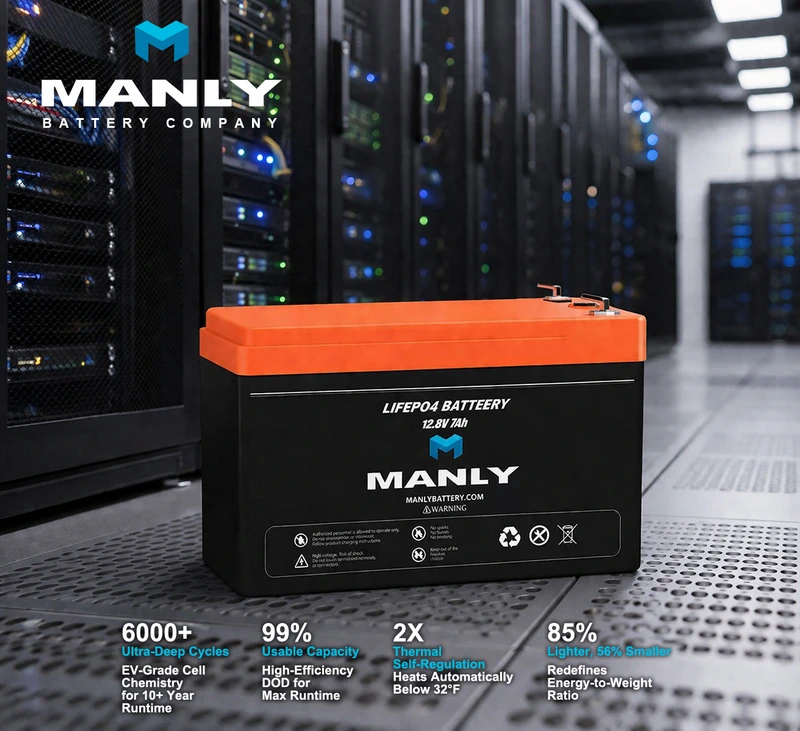
È possibile sostituire una batteria UPS da 12 V 7 Ah con LiFePO4?
La risposta breve sulla compatibilità
Sì, un Batteria UPS 12V 7Ah può essere sostituibile con LiFePO4 quando l'UPS e la batteria sono elettricamente e fisicamente compatibili. Non dovrebbe essere trattata come una conversione drop-in universale.
I primi controlli sono:
- Chimica della batteria supportata da UPS
- Tensione di carica
- Interruzione di bassa tensione dell'UPS
- Corrente di scarica continua e di picco
- Limiti di corrente del BMS
- Tipo e polarità del terminale
- Dimensioni della batteria
- Numero di batterie nella stringa UPS
Una batteria LiFePO4 che supera questi controlli può essere valutata come sostitutiva. Se il produttore dell'UPS specifica una particolare composizione chimica della batteria o una cartuccia sostitutiva completa, seguire prima tali requisiti.
Requisiti del produttore dell'UPS
Inizia con il manuale dell'UPS anziché con l'etichetta sulla vecchia batteria.
Alcuni produttori di UPS progettano singole famiglie di UPS specificatamente in base a particolari prodotti chimici delle batterie. Eaton, ad esempio, identifica specifiche famiglie di UPS progettate per batterie agli ioni di litio anziché considerare le batterie al litio come sostituti universali delle batterie VRLA. Allo stesso modo Schneider Electric consiglia cartucce di batteria sostitutive specifiche per modello per i sistemi UPS APC.
Ciò significa che la sostituzione di una batteria UPS da 12 V 7 Ah dovrebbe iniziare con tre domande:
- Quale chimica della batteria supporta l'UPS?
- Quale profilo di ricarica utilizza l'UPS?
- Il produttore consente un tipo di batteria diverso?
Per le apparecchiature UPS business-critical, è necessario rivedere anche i requisiti di certificazione e garanzia prima di modificare la composizione chimica delle batterie.
Quando uno scambio drop-in funziona
Una sostituzione LiFePO4 è più pratica quando la nuova batteria corrisponde perfettamente ai requisiti elettrici e meccanici della batteria UPS originale da 12 V 7 Ah.
Un sostituto adeguato dovrebbe fornire:
- Un intervallo di tensione che l'UPS può caricare e scaricare correttamente
- Corrente sufficiente per l'inverter UPS sotto il carico previsto
- Un BMS classificato per la corrente di scarica richiesta
- Dimensioni corrette della batteria
- Terminali e polarità compatibili
- Capacità in serie o in parallelo appropriata quando si utilizzano più batterie
Il termine “sostituzione drop-in” dovrebbe quindi significare qualcosa di più del semplice inserimento nello stesso vano batteria. La batteria deve inoltre comportarsi correttamente durante la ricarica, il funzionamento in standby e un'interruzione di corrente.
Quando la sostituzione non è consigliata
Non modificare la chimica della batteria solo perché entrambe le batterie dicono 12 V e 7 Ah.
Una sostituzione dovrebbe essere riconsiderata quando l'UPS richiede specificamente una cartuccia al piombo-acido approvata, quando il suo comportamento di carica non rientra nell'intervallo di carica accettabile della batteria o quando la nuova batteria non è in grado di fornire la corrente dell'inverter richiesta.
Lo stesso vale per i sistemi UPS con monitoraggio integrato della batteria, rilevamento della temperatura, elettronica di comunicazione o moduli sostitutivi proprietari.
Ad esempio, Schneider Electric afferma che alcune cartucce di batterie sostitutive APC incorporano cavi, fusibili, sensori o componenti di comunicazione e sono destinate ad essere sostituite come gruppi completi.
Per questi sistemi, utilizzare la configurazione sostitutiva specificata dal produttore dell'UPS.
Batteria al piombo e LiFePO4 nei sistemi UPS
Un convenzionale Batteria UPS 12V 7Ah e una batteria LiFePO4 di classe 12 V può svolgere la stessa funzione generale di alimentazione di backup, ma il loro comportamento elettrico è diverso. Comprendere queste differenze aiuta a determinare se l'UPS caricherà, monitorerà e scaricherà correttamente la nuova batteria.
| Fattore | Piombo/AGM | LiFePO4 |
|---|---|---|
| Architettura tipica della classe 12V | Sei celle al piombo | Quattro celle LiFePO4 |
| Tensione nominale del sistema | Circa 12 V | Tipicamente 12,8 V |
| Gestione della batteria | Principalmente controllato da UPS/caricabatterie | Di solito include BMS interno |
| Curva di scarica | La tensione diminuisce progressivamente | Adulare per gran parte dello scarico |
| Peso | Generalmente più alto | Generalmente più basso |
| Capacità del ciclo | Dipendente dall'applicazione | Generalmente più alto per il ciclismo profondo |
| Preoccupazione per la sostituzione delle chiavi | Specifica SLA/AGM corretta | Compatibilità ricarica e BMS |
Tensione nominale e profilo di carica
Un'etichetta 12V non significa che i due prodotti chimici abbiano caratteristiche di tensione identiche.
Una batteria LiFePO4 a quattro celle ha comunemente una tensione nominale di circa 12,8 V. MLP1207A di MANLY Battery, ad esempio, ha una tensione nominale di 12,8 V e una capacità di 7 Ah, con un'interruzione di carica di 14,6 V.
Una batteria UPS AGM da 12 V 7 Ah utilizza un sistema elettrochimico e un profilo di carica diversi.
Questo è il motivo per cui la tensione nominale dovrebbe essere considerata come punto di partenza e non come test di compatibilità. L'uscita di carica dell'UPS deve essere confrontata con l'intervallo di carica consentito della batteria LiFePO4.
Ricarica flottante e carica completa
Molti sistemi UPS tradizionali mantengono le batterie al piombo collegate a un circuito di standby o di carica flottante mentre è disponibile l'alimentazione di rete.
Le batterie LiFePO4 hanno caratteristiche di carica diverse. Un UPS progettato attorno a una tensione flottante AGM può caricare una batteria LiFePO4 portandola a uno stato utilizzabile senza necessariamente seguire il profilo di carica completo della batteria LiFePO4.
Un test pratico su un piccolo UPS illustra il problema. L'uscita di ricarica della batteria scarica misurava circa 13,5–13,6 V. Questo era adatto per il suo comportamento di carica AGM originale, ma al di sotto del limite di carica di 14,6 V specificato per alcune batterie LiFePO4 da 12,8 V.
La questione importante quindi non è semplicemente se l’UPS può immettere energia nella batteria. Dipende se il comportamento di ricarica è appropriato per la batteria LiFePO4 e il BMS specifici.
Curva di scarica e tempo di funzionamento
LiFePO4 mantiene una tensione relativamente piatta per gran parte del suo ciclo di scarica. La tensione al piombo normalmente cambia in modo più progressivo al diminuire dello stato di carica.
Ciò può influire sul modo in cui un UPS più vecchio stima il tempo di autonomia rimanente.
Se l'UPS è stato calibrato in base al comportamento della tensione di una batteria UPS al piombo-acido da 12 V 7 Ah, la percentuale della batteria o la stima di batteria scarica potrebbe non corrispondere esattamente allo stato di carica effettivo di una sostituzione LiFePO4.
L'autonomia dipende anche da qualcosa di più degli ampere-ora. La potenza del carico, l'efficienza dell'inverter, la corrente di scarica, la tensione di interruzione, le condizioni della batteria e il comportamento del BMS sono tutti fattori che influenzano la durata di funzionamento di un UPS durante un'interruzione.
Per questo motivo, confrontare l'energia utilizzabile con il carico effettivo dell'UPS anziché presumere che due batterie da 7 Ah forniscano un'autonomia identica.
Ciclo di vita e peso
Lunga durata e peso ridotto sono due dei motivi per cui la tecnologia LiFePO4 viene sempre più utilizzata nelle applicazioni UPS.
Eaton sottolinea che le batterie agli ioni di litio progettate per i sistemi UPS possono fornire una durata di servizio sostanzialmente più lunga rispetto alle tradizionali batterie UPS al piombo-acido, sebbene la durata di servizio effettiva dipenda dalla chimica della batteria, dalla temperatura, dalle condizioni di carica, dalla progettazione del sistema e dal profilo operativo.
Inoltre, le batterie LiFePO4 forniscono generalmente più energia per un dato peso della batteria rispetto alle batterie al piombo.
Per la sostituzione della batteria UPS da 12 V 7 Ah, tuttavia, questi vantaggi vengono dopo la compatibilità. La durata del ciclo lungo è utile solo quando la batteria, il BMS e l'UPS funzionano correttamente come sistema.
Cosa controllare prima di sostituire una batteria UPS da 12 V 7 Ah
Prima di installare LiFePO4, confrontare le specifiche della batteria originale, i parametri operativi dell'UPS e la scheda tecnica della batteria sostitutiva. I seguenti controlli riguardano i parametri che con maggiore probabilità determinano se a Batteria UPS 12V 7Ah la conversione funzionerà in modo affidabile.
Intervallo di tensione di carica
Misurare o verificare la tensione di carica fornita ai terminali della batteria dell'UPS e confrontarla con le specifiche della batteria LiFePO4.
Un test su un piccolo UPS ha misurato circa 13,5–13,6 V al collegamento della batteria con l'UPS collegato all'alimentazione CA. Questo numero è utile come esempio, ma non dovrebbe essere applicato ad altri sistemi UPS.
Diversi modelli di UPS possono utilizzare comportamenti di ricarica diversi.
Per fare un confronto, la batteria MANLY MLP1207A specifica:
- Voltaggio nominale: 12,8 V
- Capacità nominale: 7Ah
- Voltaggio di interruzione della carica: 14,6 V
- Voltaggio di interruzione di scarica: 11 V
Valutare sempre il comportamento di carica effettivo dell'UPS di destinazione invece di presumere che ogni installazione di batterie UPS da 12 V 7 Ah utilizzi la stessa tensione.
Corrente di scarica continua
Questo è uno dei controlli più importanti in una conversione UPS.
Potrebbe essere necessario che una batteria UPS debba fornire una notevole corrente CC quando l'alimentazione di rete viene a mancare e l'inverter inizia ad alimentare il carico collegato. La corrente richiesta generalmente aumenta all'aumentare del carico di uscita dell'UPS.
Per una prima approssimazione:
Corrente della batteria ≈ Potenza in uscita dell'UPS ÷ Tensione della batteria ÷ Efficienza dell'inverter
Questo dovrebbe essere usato solo come stima delle taglie. Dovrebbero essere prese in considerazione anche la domanda di picco effettiva, le caratteristiche dell'inverter, la tensione della batteria sotto carico e le specifiche del produttore.
Una batteria con la corretta potenza nominale di 12 V e 7 Ah può comunque non essere adatta se la sua corrente di scarica consentita è inferiore alla corrente richiesta dall'UPS.
Quando si seleziona un Batteria UPS 12V 7Ah, confrontare sia la capacità che la capacità di scarico.
Limiti di corrente BMS
Una batteria LiFePO4 normalmente include un sistema di gestione della batteria. Il BMS protegge le celle da condizioni operative quali:
- Sovraccarico
- Scarica eccessiva
- Corrente in eccesso
- Cortocircuito
- Condizioni operative non supportate
Il BMS non rende la batteria automaticamente compatibile con ogni UPS.
Se la richiesta dell'inverter supera la soglia della corrente di scarica del BMS, il BMS potrebbe disconnettere la batteria anche quando rimane una quantità significativa di energia immagazzinata.
Ciò rende la corrente nominale particolarmente importante per una batteria UPS da 12 V 7 Ah utilizzata in apparecchiature UPS con carico elevato. Controllare la corrente continua richiesta, la corrente di picco di breve durata e i limiti BMS della batteria prima dell'installazione.
Dimensioni e terminali della batteria
La compatibilità elettrica è solo una parte della sostituzione.
Anche una nuova batteria deve adattarsi al vano batteria e collegarsi in modo sicuro al cablaggio esistente. Controllo:
- Lunghezza
- Larghezza
- Altezza
- Stile terminale
- Larghezza terminale
- Posizione terminale
- Polarità positiva e negativa
- Spazio libero per i cavi
Le batterie UPS di piccole dimensioni utilizzano comunemente terminali a lama, ma le dimensioni dei terminali possono differire tra batterie che altrimenti appaiono simili.
Non forzare i connettori sui terminali né alterare la polarità per effettuare una sostituzione.
Per i progetti OEM, a produttore di batterie può configurare l'involucro, la disposizione dei terminali, il cablaggio e il BMS in base alle specifiche meccaniche richieste.
Configurazione in serie e in parallelo
Alcuni sistemi UPS utilizzano una batteria UPS da 12 V 7 Ah. Altri combinano più batterie da 12 V per creare una stringa di batterie ad alta tensione.
Ad esempio, due batterie da 12 V collegate in serie formano un sistema di batterie nominali di classe 24 V. È possibile utilizzare batterie aggiuntive in configurazioni più grandi.
Quando si sostituiscono le batterie in una stringa:
- Verificare che la batteria supporti la disposizione in serie o in parallelo prevista.
- Utilizzare batterie con specifiche e condizioni corrispondenti.
- Verificare che la tensione combinata corrisponda al bus della batteria dell'UPS.
- Confermare che ogni BMS possa funzionare correttamente nella configurazione.
- Seguire la procedura di sostituzione del produttore dell'UPS.
La batteria MANLY MLP1207A supporta configurazioni in serie e in parallelo e le sue specifiche possono essere personalizzate per i requisiti del progetto.
Questa capacità deve ancora essere adattata alla tensione, alla corrente e all'architettura della batteria dell'UPS di destinazione.
Perché il BMS e la scarica ad alta velocità sono importanti
La capacità è solo una parte delle prestazioni della batteria dell'UPS. Una batteria UPS da 12 V 7 Ah deve anche fornire energia abbastanza velocemente per l'inverter rimanendo entro i limiti di protezione della batteria.
È qui che la progettazione del BMS e la capacità della corrente di scarica diventano fondamentali.
Corrente di avvio dell'inverter
In caso di interruzione dell'alimentazione CA, l'inverter dell'UPS preleva energia CC dalla batteria e la converte in CA per le apparecchiature collegate.
La corrente della batteria risultante può essere molto superiore alla corrente utilizzata dalle applicazioni a 12 V a bassa potenza.
Ad esempio, una batteria che alimenta un dispositivo di allarme o di monitoraggio a basso carico può funzionare comodamente con una corrente di scarica relativamente bassa. Un UPS che supporta apparecchiature di rete, server, workstation o altri dispositivi elettronici può imporre un carico istantaneo molto maggiore.
Pertanto, la scelta di una batteria UPS da 12 V 7 Ah solo in base alla capacità ampere-ora può trascurare un importante requisito di progettazione.
Sia la capacità in wattora che la capacità di erogazione di corrente sono importanti.
Protezione da sovracorrente BMS
La protezione da sovracorrente è essenziale per la sicurezza della batteria LiFePO4, ma stabilisce anche un limite operativo.
Se un UPS richiede più corrente di quella che la batteria è progettata per fornire, il BMS può interrompere l'uscita. Per l'utente, ciò potrebbe sembrare un tempo di funzionamento dell'UPS inaspettatamente breve o un arresto immediato in caso di interruzione dell'alimentazione di rete.
Questo comportamento è diverso dal semplice esaurimento della capacità della batteria.
Quando si specifica una sostituzione LiFePO4, determinare la corrente massima prevista per la batteria dell'UPS e selezionare il BMS di conseguenza. Per progetti UPS commerciali o personalizzati, questo è uno dei parametri che devono essere comunicati al team di ingegneri delle batterie prima della produzione.
Comportamento di interruzione a bassa tensione
Possono esserci due punti di protezione a bassa tensione separati in un'installazione UPS LiFePO4:
- La soglia di spegnimento per batteria scarica dell'UPS
- L'interruzione della scarica del BMS della batteria
Qualunque soglia venga raggiunta per prima può porre fine alla scarica.
Nel piccolo test al banco dell'UPS descritto in precedenza, l'UPS ha continuato a funzionare anche quando la tensione simulata della batteria è scesa per poi spegnersi a circa 10,4 V. Tale valore si applica solo all'UPS testato e non deve essere assunto per altre apparecchiature.
La specifica MLP1207A, ad esempio, identifica un'interruzione della scarica a 11 V.
Pertanto, quando si valuta la capacità utilizzabile di una batteria UPS da 12 V 7 Ah, è necessario considerare insieme le interruzioni dell'UPS e della batteria.
Precisione dello stato della batteria
Un UPS non misura necessariamente lo stato di carica allo stesso modo del BMS della batteria.
I modelli di UPS più vecchi possono dedurre la capacità rimanente della batteria in parte da un modello di scarica sviluppato attorno alle batterie al piombo. Poiché LiFePO4 ha una curva di scarica più piatta, la percentuale della batteria visualizzata o l'autonomia prevista potrebbero rispondere in modo diverso dopo la conversione.
La soluzione pratica è testare il sistema completo sotto un carico controllato.
Documentazione:
- Voltaggio della batteria a carica completa
- Carico dell'UPS
- Corrente della batteria CC
- Autonomia per l'avviso di batteria scarica dell'UPS
- Runtime allo spegnimento
- Tensione della batteria allo spegnimento
- Se il BMS si disconnette prima dell'UPS
Ciò fornisce informazioni molto più utili rispetto a giudicare la nuova batteria UPS da 12 V 7 Ah solo in base alla tensione.
Scelta di una batteria LiFePO4 per la sostituzione dell'UPS
Una buona sostituzione del LiFePO4 inizia dall’UPS, non dalla capacità stampata sull’etichetta della batteria. Definire la tensione dell'UPS, il carico, il comportamento di carica, il fabbisogno di corrente e il vano batteria prima di selezionare la batteria.
Abbinare il carico dell'UPS
Iniziare con le apparecchiature che l'UPS deve effettivamente supportare.
Identificare:
- Potenza nominale dell'UPS
- Carico collegato tipico
- Carico massimo previsto
- Tensione del bus batteria
- Numero di batterie
- Tempo di backup richiesto
- Efficienza dell'inverter
- Corrente continua massima
Quindi scegli a Batteria UPS 12V 7Ah con capacità di scarica sufficiente per supportare tale carico senza raggiungere il limite di corrente del BMS.
Per le applicazioni aziendali, il dimensionamento in base ai dati di carico effettivi è più affidabile rispetto al presupposto che il valore VA riportato sulla targhetta dell'UPS racconti l'intera storia della batteria.
Uno switch di rete, una workstation, un armadio per le comunicazioni e un'installazione di piccoli server possono tutti sottoporre a richieste diverse una batteria anche quando utilizzano un armadio UPS simile.
Conferma la compatibilità del caricabatterie
Successivamente, confronta il sistema di ricarica dell'UPS con la batteria LiFePO4.
Controllo:
- Tensione di carica in standby
- Tensione massima di carica
- Corrente di carica
- Comportamento di terminazione dell'addebito
- Limiti di temperatura della batteria
- Chimica della batteria approvata dal produttore
Un UPS progettato esplicitamente per le batterie al litio elimina gran parte di questa incertezza perché le sue funzioni di ricarica, monitoraggio e gestione della batteria sono progettate attorno a tale chimica. Eaton, ad esempio, offre prodotti UPS specificatamente configurati per batterie agli ioni di litio e LiFePO4.
Per un UPS al piombo esistente, verificare la compatibilità prima di convertire la batteria dell'UPS da 12 V 7 Ah.
Verificare l'adattamento del fattore di forma
Prima di ordinare batterie sostitutive in grandi quantità, ispezionare il vano batterie originale.
Documentazione:
- Dimensioni dell'involucro della batteria
- Tipo di terminale
- Orientamento del terminale
- Polarità
- Lunghezza del cavo
- Distanza del connettore
- Struttura di contenimento o di sostegno
In caso di sostituzione una tantum, ciò impedisce l'arrivo di una batteria che non può essere installata.
Per OEM, telecomunicazioni, armadi di rete, sicurezza, backup industriale o progetti UPS personalizzati, la definizione anticipata di queste dimensioni consente inoltre di progettare il contenitore della batteria e il layout dei terminali in base all'apparecchiatura invece di modificare l'UPS in un secondo momento.
Specifiche della batteria MANLY MLP1207A
MANLY Battery offre MLP1207A, una configurazione compatta LiFePO4 che può essere valutata per progetti UPS e alimentazione di backup di classe 12V.
Le sue attuali specifiche principali includono:
| Specificazione | MLP1207A |
|---|---|
| Chimica | LiFePO4 |
| Tensione nominale | 12,8 V |
| Capacità nominale | 7Ah |
| Tensione di interruzione della carica | 14,6 V |
| Tensione di interruzione di scarica | 11V |
| Corrente di carica continua | 4A |
| BMS | Incluso |
| Supporto in serie | SÌ |
| Supporto parallelo | SÌ |
| Ciclo di vita | ≥2.000 cicli a 100% DOD |
| Misurare | Flessibile/personalizzabile |
Il BMS integrato fornisce funzioni di protezione tra cui protezione da sovraccarico, scarica eccessiva e cortocircuito. È inoltre possibile configurare le dimensioni della batteria e i principali parametri operativi in base ai requisiti del progetto.
Per un progetto di batteria UPS da 12 V 7 Ah, il passaggio successivo è fornire la tensione della batteria UPS, la corrente di scarica prevista, i parametri di ricarica, le dimensioni dello spazio della batteria, i requisiti del terminale e la configurazione in serie. Tali valori determinano se la configurazione standard è appropriata o se il BMS, l'involucro o altre specifiche devono essere personalizzate.
Elenco di controllo di compatibilità finale
Prima di sostituire un acido al piombo Batteria UPS 12V 7Ah con LiFePO4, segui questa lista di controllo:
- Chimica della batteria: Il produttore dell'UPS consente batterie LiFePO4 o di terze parti?
- Tensione nominale: La batteria è adatta al bus della batteria dell'UPS?
- Tensione di carica: L'uscita di ricarica dell'UPS è compatibile con la batteria?
- Corrente di carica: Rientra nell'intervallo consentito dalla batteria?
- Tensione di interruzione dell'UPS: L'UPS scaricherà la batteria attraverso una finestra di tensione adeguata?
- Corrente continua: La batteria può supportare il normale carico dell'inverter?
- Corrente di picco: La batteria è in grado di supportare una richiesta di breve durata senza interruzione del BMS?
- BMS: Le soglie di protezione sono adatte all'UPS?
- Dimensioni: La batteria si inserisce saldamente nel vano batteria?
- Terminali: Le dimensioni, l'orientamento e la polarità del terminale sono corretti?
- Stringa di batterie: La batteria supporta la configurazione in serie o parallela richiesta?
- Garanzia e certificazione: La modifica della composizione chimica della batteria influisce sulla garanzia dell'UPS o sulla certificazione del sistema?
- Test in fase di esecuzione: Il sistema completato è stato testato al carico previsto?
La regola centrale è semplice: 12 V e 7 Ah descrivono solo una parte della batteria. Una conversione LiFePO4 di successo richiede inoltre che il sistema di ricarica, la corrente di scarica, il BMS, la finestra di tensione, l'idoneità fisica e l'architettura dell'UPS funzionino insieme.
Quando questi parametri sono abbinati correttamente, LiFePO4 può fornire un percorso pratico per un progetto di batteria UPS da 12 V 7 Ah, in particolare dove sono importanti la capacità di ciclo lungo, il design compatto della batteria e la gestione configurabile della batteria. Per le installazioni OEM o commerciali, la collaborazione con un produttore esperto di batterie consente inoltre di configurare la batteria in base ai requisiti elettrici e meccanici dell'UPS invece di considerare ogni batteria da 12 V 7 Ah come intercambiabile.


